
7 Habits That Will Help You Pay Off Your Debt Quicker
Debt doesn’t disappear overnight—but the right habits can dramatically speed up the journey.
Whether it’s credit cards, personal loans, EMIs, or BNPL traps, most people don’t struggle because they earn too little. They struggle because debt quietly controls their cash flow, decisions, and peace of mind.
The good news?
Paying off debt faster is less about earning more and more about behaving differently with money.
Here are 7 powerful habits that can help you break free from debt—faster and for good.
1. Get Brutally Clear About Your Debt (No Guesswork)
Most people underestimate their debt. Some even avoid checking it altogether.
That’s the first mistake.
Action step:
Write down:
- Total outstanding amount
- Interest rate of each loan
- EMI or minimum payment
- Remaining tenure
Put everything on one sheet—no hiding, no rounding off.
👉 Clarity creates urgency.
You can’t defeat what you don’t fully face.
2. Stop Creating New Debt (Even “Small” Ones)
This habit alone can cut your payoff time in half.
Paying off debt while still adding new debt is like:
Trying to empty a bathtub with the tap still running.
Hard rules to follow:
- No new credit card purchases (unless paid in full)
- No EMIs for lifestyle upgrades
- No “I’ll pay later” temptations
If it’s not essential and you don’t have cash—it waits.
3. Use a Proven Repayment Strategy (Not Random Payments)
Random extra payments feel good—but they’re inefficient.
Choose one method and stick to it:
🔹 Debt Avalanche (Fastest & Cheapest)
- Pay minimum on all loans
- Put extra money toward highest interest loan first
🔹 Debt Snowball (Motivational)
- Pay minimum on all loans
- Attack smallest balance first for quick wins
👉 Math saves money. Momentum saves motivation.
Pick the one you’ll actually follow consistently.
4. Increase EMI Whenever Income Increases
Most people upgrade their lifestyle when income rises.
Debt-free people upgrade their EMIs.
Any increase in:
- Salary
- Bonus
- Freelance income
- Side hustle
👉 Immediately increase your EMI or make a part-prepayment.
Even a 10–20% EMI increase can:
- Reduce years of repayment
- Save lakhs in interest
5. Kill Lifestyle Leaks (Without Feeling Miserable)
You don’t need extreme frugality.
You need intentional spending.
Track expenses for one month and cut:
- Subscriptions you don’t use
- Frequent food delivery
- Impulse online shopping
- “Small” expenses that repeat daily
Redirect that saved money only to debt repayment.
👉 Debt freedom is temporary pain for permanent relief.
6. Build a Mini Emergency Buffer (Yes, Even While in Debt)
Many people fall back into debt because of emergencies.
Create a small buffer:
- ₹25,000 – ₹50,000 (or 1 month expenses)
This prevents:
- Credit card usage
- Personal loans during emergencies
- Restarting the debt cycle
👉 Emergency funds protect your progress.
7. Change How You Emotionally View Debt
This is the most underrated habit.
Debt isn’t:
“Normal”
“Everyone has it”
“Part of modern life”
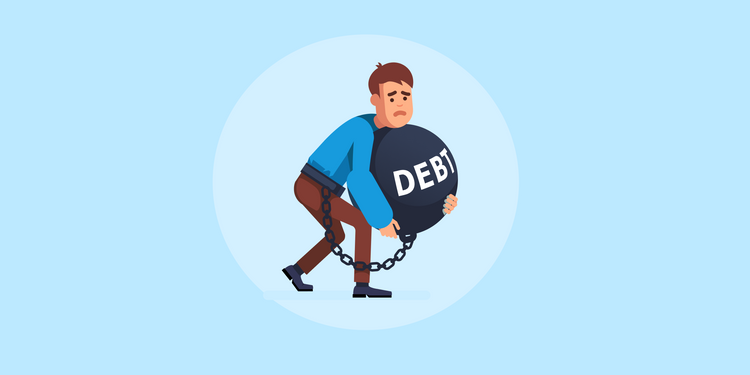
Debt is future income already spent.
Once you start seeing EMIs as:
Money you won’t get to enjoy later
Your decisions change automatically.
Debt-free thinking leads to debt-free living.
What Happens When You Practice These Habits Consistently?
- EMIs start feeling lighter
- Savings grow faster
- Stress reduces
- Financial confidence increases
- Investment opportunities open up
Most importantly—you regain control.
FAQs: Paying Off Debt Faster
Should I invest while I’m still in debt?
If your debt interest rate is higher than expected returns (like credit cards or personal loans), clear debt first. Guaranteed savings beat uncertain returns.
Is part-prepayment better than investing?
For high-interest loans—yes.
You’re effectively earning a risk-free return equal to the loan’s interest rate.
Should I close credit cards after repayment?
Not necessarily. Keep one card:
- With low limit
- Paid in full every month
This helps maintain a healthy credit score.
Can debt repayment hurt my lifestyle?
Short term—yes.
Long term—you gain freedom, flexibility, and peace of mind.
How long does it realistically take to become debt-free?
With disciplined habits:
- Credit card debt: 6–18 months
- Personal loans: 2–4 years (often faster with prepayments)
Consistency matters more than speed.
Paying off debt isn’t about punishment.
It’s about buying back your future freedom.
Start small. Stay consistent.
And remember—every EMI paid is one step closer to financial independence.
Member discussion